Key Highlights
- “Subject-to” is a creative financing method in real estate where a buyer takes over your existing mortgage payments.
- The primary benefit for sellers is a quick sale, providing immediate relief from mortgage burdens.
- However, sellers face a significant credit risk, as the mortgage remains in their name.
- If the buyer misses payments, your credit score will be damaged, and you could face foreclosure.
- Protecting yourself involves thorough buyer vetting, a strong legal contract, and professional guidance.
- The due-on-sale clause allows the lender to demand full loan repayment, though it’s not always enforced.
Introduction
Are you looking for a fast way to sell your home and get out from under your mortgage payments? A “subject-to” home sale might seem like the perfect solution. This creative financing approach, which can include additional financing, is gaining traction in the real estate world, allowing sellers to hand over their property and payment responsibilities to a buyer. While it offers a quick exit, it’s crucial to understand how this type of deal impacts the seller’s credit and what you can do to protect your financial future.
Understanding Subject-To Home Sales in the United States
A subject-to home sale is a unique type of real estate transaction where a buyer purchases your property “subject to” the existing mortgage. In simple terms, the buyer agrees to make your monthly mortgage payments, but the loan itself doesn’t change hands. It remains in your seller’s name.
This method is a form of creative financing, such as a lease option, that bypasses the need for the buyer to secure a new loan. For sellers, it can be a fast and convenient way to offload a property, especially in challenging financial situations. But how does this process actually work, and is it right for you?
How Subject-To Transactions Work for Sellers
In a subject-to real estate deal, the core concept is that the existing mortgage stays in the seller’s name. You, as the original borrower, are still legally responsible for the loan in the eyes of the lender. However, the new buyer takes on the responsibility of making the monthly payments.
The transfer of ownership is finalized through a deed, just like in a traditional sale. The buyer gets the title to the property, and you are no longer the owner. The primary difference is the financing arrangement. You are trusting the buyer to uphold their end of the bargain and pay the mortgage on time every month.
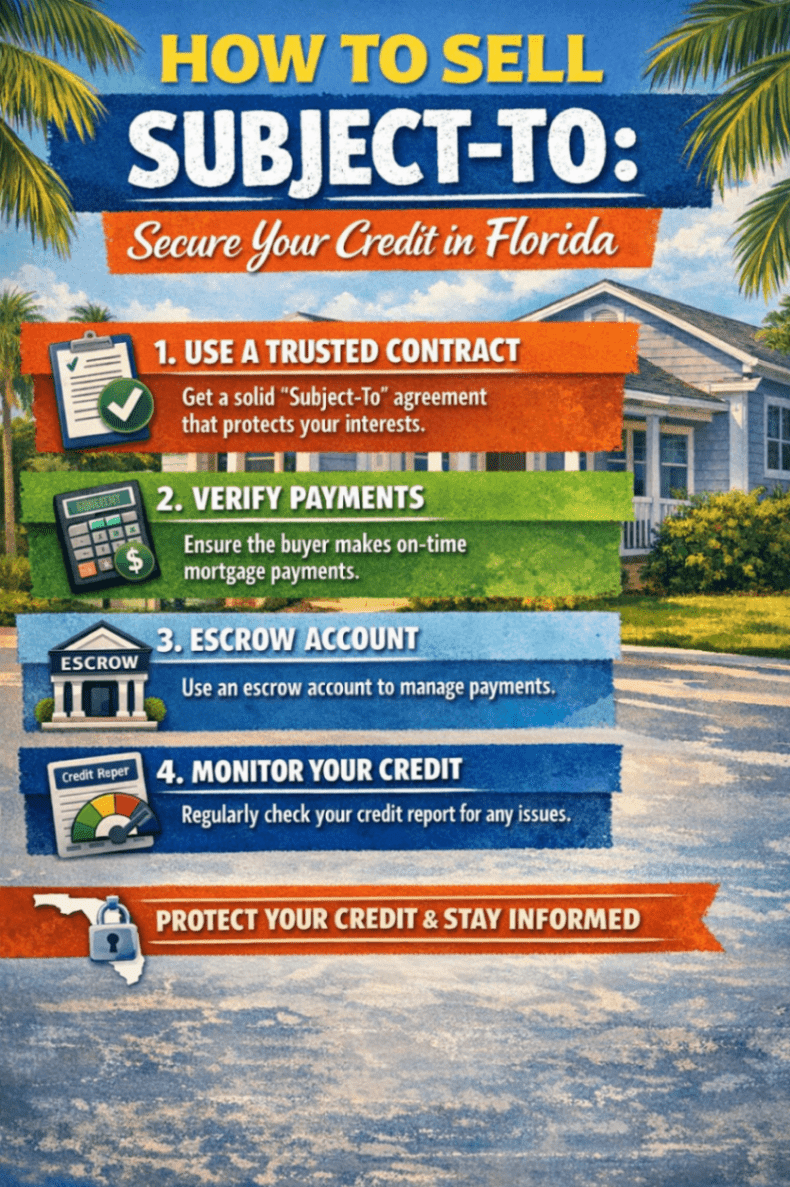
To protect your credit score, it’s essential to structure the deal with a comprehensive legal agreement. This contract should clearly outline the buyer’s obligations and the consequences if they fail to pay. Working with a professional who understands these deals is the best way to safeguard your interests.
Key Differences Between Subject-To and Mortgage Assumption
People often confuse subject-to sales with new mortgage assumptions, but they are very different. With a mortgage assumption, the buyer formally takes over your loan with the lender’s approval. This process often involves a credit check, and the liability for the mortgage officially transfers to the buyer. This is a more traditional financing path compared to the creative nature of a subject-to deal.
In a subject-to transaction, the lender is not involved, and the original mortgage agreement, including the interest rate, remains unchanged. The seller remains liable for the debt, which is a key distinction. You should always consult a real estate attorney to understand the legal steps required to protect yourself, as the risk profile is much higher.
Here is a simple breakdown of the differences:
| Feature | Subject-To | Mortgage Assumption |
|---|---|---|
| Lender Approval | Not required | Required |
| Loan Liability | Stays with the seller | Transfers to the buyer |
| Credit Check for Buyer | Not required | Usually required by the lender |
| Due-on-Sale Clause | A potential risk | Waived by the lender upon approval |
Why Sellers Choose Subject-To: Core Benefits
So, with the risks involved, why would any seller agree to a subject-to deal? The answer often lies in difficult circumstances where traditional sales aren’t an option. This creative financing approach can be a lifeline for homeowners facing financial hardship, offering a fast and practical way out of a tough situation and often leading to better terms for all parties involved.
Subject-to sales open up real estate opportunities that might not otherwise exist. For sellers who need to move quickly, have little to no equity, or own a property that needs major repairs, it can be an effective investment strategy to build a real estate portfolio, avoid foreclosure and preserve credit. Let’s look at the main benefits.
Fast Relief from Mortgage Payments
One of the biggest draws of a subject-to sale is the speed, which offers significant benefits. Traditional home sales can take months, leaving you burdened with mortgage payments, insurance, and upkeep. If you’re in a state of financial distress, every month counts. A subject-to deal can often close in a matter of days.
This quick turnaround provides immediate relief from your monthly mortgage payments, freeing up your cash flow. You no longer have to worry about finding the money for a house you need to sell. The buyer takes over these responsibilities right away.
However, this benefit comes with a major catch. The main risk to your credit is that the buyer might stop making payments. Since the loan is still in your name, any missed payments will be reported on your credit history, leading to serious consequences.
Selling Despite Financial Hardship or Credit Issues
Many homeowners face financial difficulties that make a traditional sale nearly impossible. If your credit score is low or you have little equity, you may struggle to sell your home on the open market. Properties that need significant repairs often don’t qualify for conventional loans, narrowing your pool of potential buyers.
A subject-to sale bypasses these hurdles. Since the buyer isn’t applying for a new loan, the condition of the property and your personal finances are less of an obstacle. This makes it a viable option for sellers in various situations, such as:
- Facing foreclosure
- Dealing with sudden job relocations
- Going through a divorce
A common question is whether you can remove the mortgage from your credit after the sale. The answer is no. The mortgage remains on your credit report until the buyer pays it off or refinances. However, as the buyer makes timely payments, it can actually help improve your credit score over time.
What Credit Risks Do Sellers Face in Subject-To Deals?
While subject-to deals offer a fast exit, they are not without serious credit risks for the seller. The entire arrangement is built on trust, and if that trust is broken, your financial health is on the line. It’s crucial to understand the existing mortgage terms since the mortgage remains your legal responsibility, so any missteps by the buyer fall directly on you.
The most significant risk is the potential for severe credit damage if the buyer fails to make the mortgage payments as promised. Understanding these risks is the first step toward protecting yourself. Below, we’ll examine the two biggest threats to your credit.
Potential Impact of Missed Payments on Seller’s Credit Score
The foundation of a successful subject-to deal is the buyer’s commitment to making timely payments. If the buyer stops making the loan payments, the consequences for you, the seller, can be devastating. Because the mortgage is still in your name, the lender will report any late or missed payments to the credit bureaus under your profile, potentially complicating the foreclosure process.
This will directly harm your seller’s credit score. A single 30-day late payment can drop your score by as much as 100 points. If the buyer defaults entirely, the lender will initiate foreclosure proceedings against you, not the buyer. This results in severe, long-lasting credit damage that can make it difficult to get new loans for years.
Ultimately, you are on the hook. You would either have to resume the payments yourself to avoid foreclosure or take legal action against the buyer to reclaim the property, all while your credit takes a major hit.
The Due-on-Sale Clause and Lender Rights
Most mortgage agreements contain a “due-on-sale clause.” This provision gives the lender the right to demand full repayment of the loan, including immediate repayment of the entire loan balance if you transfer the property’s title to someone else. In a subject-to sale, the ownership transfer technically triggers this clause.
So, can your lender call the loan due? Yes, they have the legal right to do so. If the lender discovers the sale, they can activate the clause, and if you or the buyer cannot pay the full loan amount, the lender can foreclose on the property.
While this is a serious risk, many investors note that lenders don’t always enforce this clause, especially if the loan payments are being made on time. Lenders are in the business of collecting interest, not owning properties. However, you should never enter a subject-to deal without being aware of this possibility.
Structuring a Subject-To Sale to Protect Your Credit
Given the risks, protecting your credit should be your top priority in a subject-to sale. A successful and safe transaction depends entirely on how it is structured from the beginning. You cannot simply hand over the keys and hope for the best.
Effective credit protection involves careful planning, thorough due diligence on your buyer, and a rock-solid legal agreement. Working with real estate professionals who specialize in these deals can provide the expertise you need. Let’s explore the most important steps you can take.
Important Contract Clauses for Credit Protection
Your real estate contract is your primary line of defense. A generic sales agreement won’t cut it for creative financing deals like this. You need a contract with specific clauses designed to minimize your credit risk and outline what happens if the buyer defaults.
It’s crucial to work with a real estate attorney to draft a land trust document that protects your interests. The agreement should clearly state the buyer’s responsibility to make payments on time and maintain the property.
Here are a few important contract clauses to include:
- Deed in Lieu of Foreclosure: This clause allows you to take back the deed to the property immediately if the buyer defaults, without a lengthy legal battle.
- Requirement to Refinance: You can include a clause that requires the buyer to refinance the loan into their own name within a specific timeframe, such as 3-5 years.
- Notice of Default: This requires the buyer to notify you immediately if they are at risk of missing a payment.
Working With Real Estate Attorneys and Professional Buyers
Are there legal steps you should take to avoid credit issues? Absolutely, and the most important one is to hire an experienced real estate attorney. Navigating the legal implications of a subject-to sale on your own is extremely risky. An attorney can explain your rights, draft a protective contract, and ensure all paperwork is handled correctly while also considering current market rates.
Beyond legal help, it’s vital to partner with a reputable buyer. Professional buyers or real estate investors who frequently handle these transactions are often more reliable than individuals. They have systems in place for managing payments and understand the importance of protecting your credit to maintain their reputation.
Perform thorough due diligence on any potential buyer. Ask for references, proof of funds, and information about their track record with other subject-to deals. A trustworthy buyer will be transparent and willing to provide this information.
Legal Essentials and Compliance for Subject-To Transactions
Beyond protecting your credit, it’s essential to ensure your subject-to real estate transaction is legally compliant. Every state has rules regarding real estate sales, and failing to follow them can lead to serious legal implications down the road. Transparency is key to a smooth and ethical process.
You must provide all required disclosures to the buyer and ensure the paperwork accurately reflects the nature of the sale. This not only protects you from future lawsuits but also helps build a foundation of trust with the buyer.
Required Disclosures and Paperwork in the US
When selling your home subject-to, you must be upfront about all aspects of the property and the deal itself. Required disclosures typically include information about the property’s condition, such as any known defects with the foundation, roof, or plumbing. You also need to be transparent about the existence of the mortgage and the due-on-sale clause, especially since ownership of the property changes can trigger specific obligations.
The paperwork for a subject-to sale includes a purchase agreement, a deed transferring title, and potentially a separate agreement outlining the payment terms. It is critical that these documents are drafted by a real estate attorney to avoid any legal implications.
Taking these legal steps is not just about compliance; it’s about protecting yourself. Full disclosure prevents the buyer from coming back later and claiming they were misled. This transparency is a cornerstone of avoiding credit issues and legal disputes in the complex real estate market.
Steps to Avoid Fraud and Common Scams
The unconventional nature of subject-to deals can unfortunately attract unscrupulous individuals looking to commit fraud. As a seller, you need to be vigilant and watch for warning signs to avoid scams. The most common scam involves a “buyer” who has no intention of making payments and simply wants to control the property for a short time before walking away.
The best way to protect yourself is with thorough due diligence. Never take a buyer at their word. Verify their identity, check their references, and ask for proof of their financial ability to make the payments. Clear communication is also vital; a legitimate buyer will be happy to answer your questions.
Watch out for these red flags:
- A buyer who pressures you to sign paperwork quickly without legal review.
- Resistance to putting all terms in a detailed, written contract.
- Vague answers about their financial situation or their plans for the property.
Safeguards for Sellers After the Subject-To Sale
Your job isn’t over once the papers are signed. In a subject-to deal, you have an ongoing responsibility to ensure the original mortgage is being handled correctly. This post-sale monitoring is one of the most important seller protections you can implement.
Remember, your credit is on the line until the loan is paid off. You need a system to verify that the buyer is making timely payments and upholding their end of the agreement. Let’s look at how you can keep an eye on things long after the sale.
Monitoring Your Original Mortgage After Transfer
After the sale, it is crucial to actively monitor your original mortgage. Do not assume that no news is good news. The best way to do this is to retain access to the online portal for the mortgage account. This allows you to log in each month and confirm the loan payments have been made.
This begs the question: how long will the mortgage stay on your credit report? It will remain on your credit report until the loan is paid in full or the buyer refinances it into their name. This could be months or even decades, which is why ongoing monitoring is so important.
To keep the loan in good standing, you can also establish these practices:
- Request that the buyer send you proof of payment each month.
- Set up alerts with your lender for any account activity.
- Periodically run a credit check on yourself to ensure no late payments have been reported.
Insurance and Other Protections in Subject-To Arrangements
Insurance is another key layer of protection in creative financing deals. While there aren’t specific insurance policies to protect your credit directly, ensuring the property is properly insured can help secure your financial interest in the loan, including the benefits of lower interest rates when dealing with mortgages. If the house burns down and there’s no insurance, you’re still responsible for the mortgage balance.
You must require the buyer to obtain and maintain a homeowner’s insurance policy for the property’s full replacement value. More importantly, you should be listed as an “additional insured” on the policy. This ensures you are notified if the policy lapses or is canceled.
Other protections can be built into your agreement to safeguard your interests in this type of real estate investing:
- A performance clause that allows you to take back the property for non-payment.
- Holding the deed in escrow until certain conditions are met.
- Requiring a third-party servicing company to collect payments from the buyer and pay the lender.
Conclusion
Selling a home subject-to can be a strategic move, especially for those facing financial challenges or seeking a fast transaction without the traditional credit risks. By understanding the nuances of subject-to sales, sellers can protect their credit and ensure a smoother transition. It’s essential to work closely with real estate professionals and attorneys who can guide you through the process, ensuring all legal requirements are met and safeguards are in place, including options for seller financing. If you’re ready to take the next step and explore how we can simplify your home-selling experience, get in touch with us today!
Let EPS Houses LLC take your payments off your hands
Feeling overwhelmed by the complexities of a subject-to sale but need a fast solution? Let EPS Houses LLC take over your payments subject to the existing mortgage. We are experienced real estate professionals who specialize in creative financing strategies. We understand the risks you face as a seller, and our process is designed to be transparent, fair, and secure. We have a proven track record of upholding our agreements and protecting our sellers’ credit.
Don’t let the burden of mortgage payments hold you back any longer. We can provide you with a quick, hassle-free offer, taking the weight off your shoulders so you can move on with your life. Contact EPS Houses LLC today to learn how our subject-to program can work for you. Let us handle the payments while you enjoy the peace of mind that comes from working with a trusted partner.
Frequently Asked Questions
Can I remove my mortgage from my credit after a subject-to sale?
No, you cannot remove the mortgage from your credit report after a subject-to sale. The loan remains your legal responsibility until the buyer pays it off or refinances it into their name. However, consistent, on-time payments by the buyer can positively impact your credit score over time.
What happens if the buyer fails to make payments?
If the buyer has missed payments, your credit will be damaged because the mortgage is still in your name. The lender will report the delinquency against you, and they can initiate foreclosure proceedings. You would need to take legal action against the buyer based on your contract.
Can my lender call the loan due if I sell my home subject-to?
Yes, your lender can call for the immediate repayment of the loan. Most mortgage agreements have a due-on-sale clause that gives the lender this right when you transfer the property title. While lenders don’t always enforce it, especially if payments are current, it remains a significant risk in any subject-to transaction.