Key Highlights
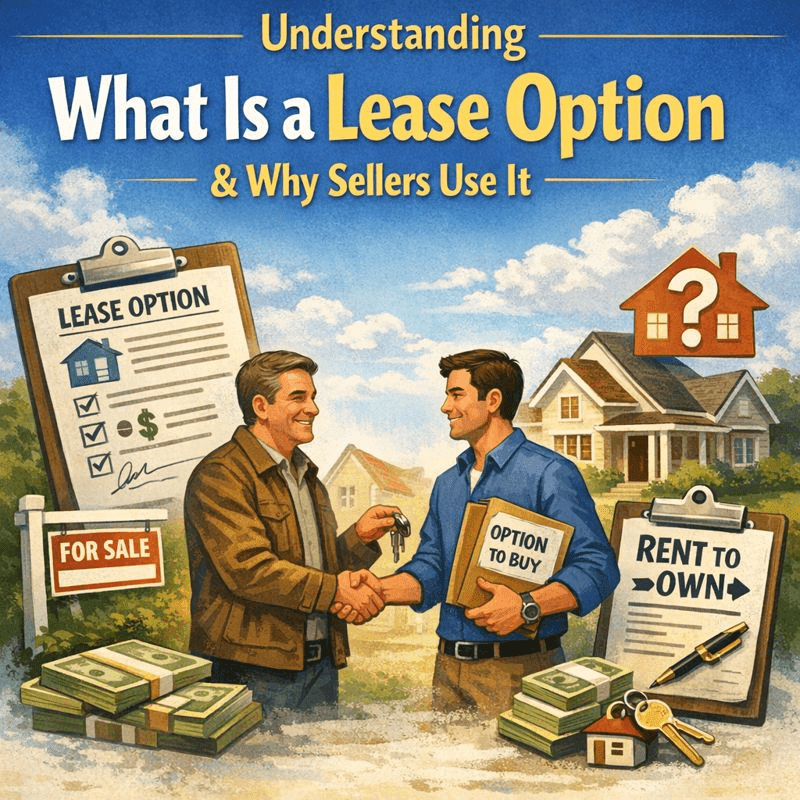
- A lease option is a real estate deal combining a lease agreement with an option to buy.
- This arrangement gives a tenant the right, but not the obligation, to purchase a property.
- Sellers benefit from consistent monthly rent and a non-refundable option fee.
- The option agreement locks in a future purchase price or a method to determine it.
- This creative financing strategy offers significant seller advantages, including a wider pool of potential buyers.
- It’s a great way to generate income while working toward selling your home.
Introduction
Homeownership is a goal for many, but sometimes it feels just out of reach. If you’re a seller, you might be looking for more flexible ways to navigate the real estate market. Have you ever considered a lease option that allows tenants to retain a certain amount of their monthly rent? This unique approach is gaining popularity as a smart solution for both buyers and sellers. It blends renting with the potential for a sale, creating an option agreement that can be a win-win for everyone involved. Let’s explore this creative financing tool.
What Is a Lease Option Agreement?
A lease option agreement is a special arrangement in real estate that consists of two separate contracts. The first is a standard lease, and the second is a lease purchase agreement. This setup allows a tenant to rent your property for a set option period with the exclusive right to buy it at a predetermined purchase price.
Essentially, you are giving your tenant the choice to become a homeowner. They make a monthly lease payment, and if they decide to buy, the process moves forward. If not, the lease simply ends. The sections below will explain this concept in greater detail.
Defining Lease Options in Real Estate
So, what exactly is the concept of a lease option? Think of it as a “rent-to-own” scenario. The tenant signs a lease to live in the home and a separate option agreement. This second contract gives them the exclusive right to purchase the property later.
To secure this right, the tenant pays a non-refundable option fee upfront. This fee is a key part of the deal, as it gives the tenant a financial stake in the property from day one, ensuring no one else can buy it until the end of the option period. It’s important to understand that a lease option is not a sales contract; it doesn’t force the tenant to buy.
However, the option agreement does obligate you, the seller, to sell the home if the tenant chooses to exercise their option. This provides security for the tenant, ensuring the home won’t be sold to someone else while they are leasing it. The purchase price, which reflects the value of the property, is often agreed upon when the agreement is signed, offering clarity for the future transaction in a changing real estate market.
How the Lease Option Process Works
The lease option process is straightforward. It begins when you and a tenant sign both a lease and an option agreement. The tenant pays an upfront option fee and then begins making a monthly rent payment, which is often slightly higher than the market rate.
A portion of this higher monthly rent may be set aside as a “rent credit.” These credits can be applied toward the purchase price if the tenant decides to buy. This structure helps the tenant build equity while renting. As the property owner, you receive consistent income throughout the option period.
At the end of the lease, the tenant has a decision to make.
- Exercise the Option: The tenant buys the home at the agreed-upon price.
- Decline the Option: The tenant moves out, and you keep the option fee and any rent credits. This flexibility makes the lease option an attractive path for many aspiring homeowners and a secure choice for sellers.
Key Differences Between Lease Options and Traditional Home Selling
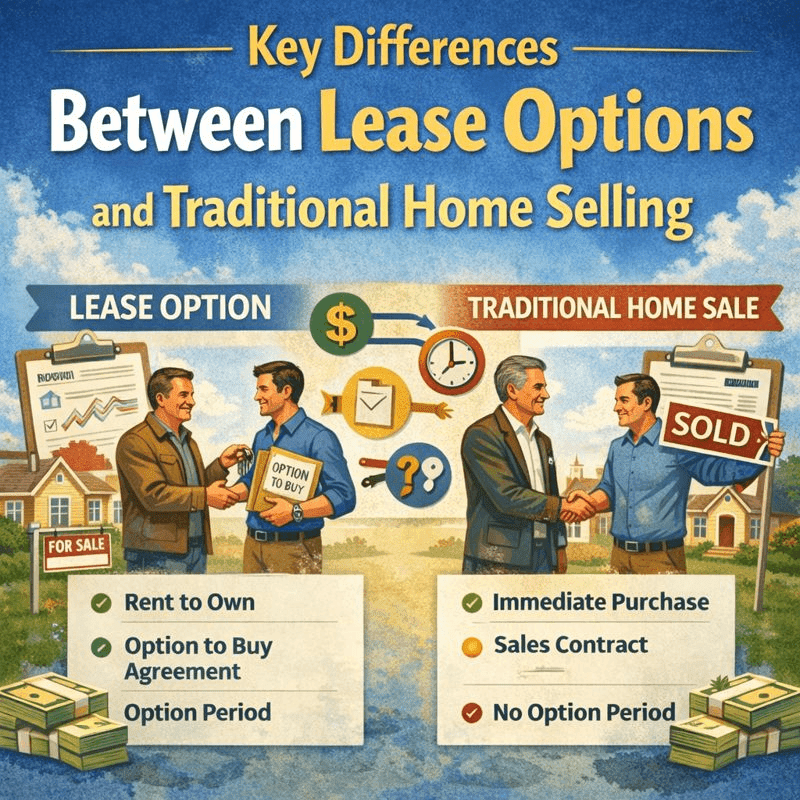
A lease option operates very differently from a typical residential real estate home sale. In a traditional real estate transaction, a buyer makes an offer, you sign a sale contract, and the deal closes relatively quickly. Ownership transfers, and you receive the full purchase price at once.
With a lease option, the process is spread out over time. You have a lease agreement in place, not an immediate sale contract. This method offers more flexibility for both you and the buyer. Let’s look closer at how the payment structure and ownership timeline compare.
Payment Structure and Terms
The financial structure of a lease option is unique. Instead of a large down payment, the buyer provides a smaller, non-refundable option fee. This fee gives them the right to buy the home later. Their rent payments are typically higher than standard rent, with a portion often credited toward the final purchase price, which can also qualify for bank financing if the buyer decides to purchase the home.
In a traditional sale, the buyer secures a mortgage loan and pays the full sale price at closing. The payment is a single, lump-sum transaction. With a lease option, you receive a steady stream of income from monthly rent over the lease term, plus the initial option fee.
This table highlights the key financial differences:
| Feature | Lease Option | Traditional Sale |
|---|---|---|
| Initial Payment | Non-refundable option fee | Down payment |
| Ongoing Payments | Monthly rent (often with credits) | Monthly mortgage payments |
| Final Payment | Full purchase price at end of term | Full sale price at closing |
Ownership Transfer Timeline
One of the biggest distinctions is the ownership transfer timeline. When you sell a home the traditional way, ownership transfers to the buyer on the closing date. This entire process usually takes just 30 to 60 days from when you accept an offer.
In a lease option, the timeline is much longer. The tenant rents the property for a specified amount of time, typically one to three years, before the purchase option can be exercised. Ownership only transfers if and when the tenant decides to buy the home at the end of the lease, giving them the flexibility to let their own option expire if they choose not to proceed.
This extended timeline gives the buyer time to save money or improve their credit. For you, it means you retain ownership and receive rental income until the purchase option is executed. The transfer of ownership is delayed until the conditions of the option agreement are met.
Why Sellers Use Lease Option Agreements
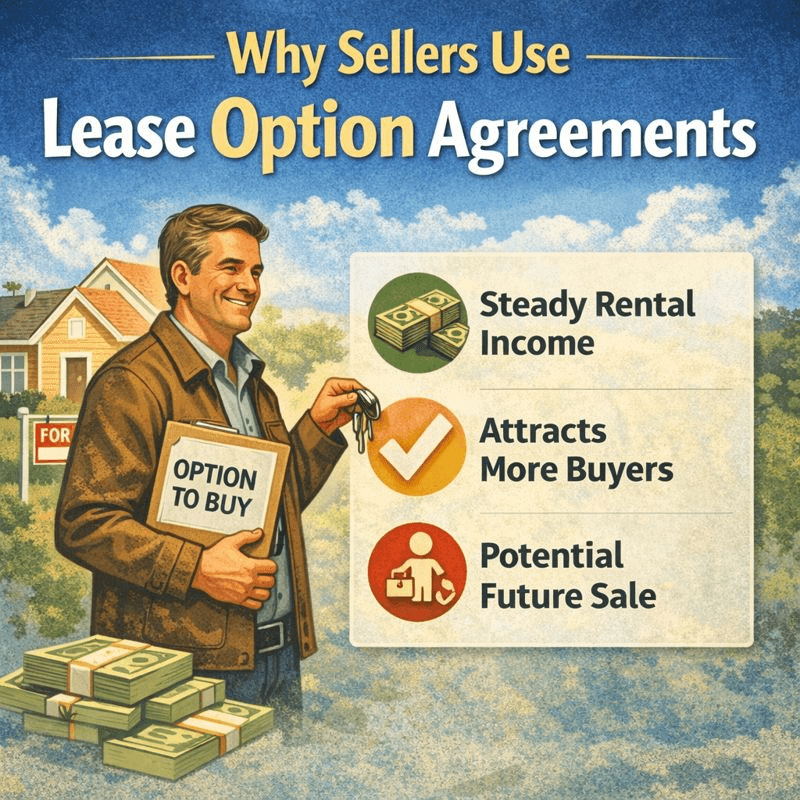
Why would a property owner choose a lease option? This strategy is appealing for several reasons, especially in a slow housing market. It allows you to attract a broader pool of potential buyers—those who are interested in your home but may not have enough money or qualify for a mortgage right away. This can help you sell your house fast when traditional methods fail.
You also receive a non-refundable option fee upfront and consistent rental income, which helps cover your costs. It’s a form of owner financing that can be simpler than dealing with real estate agents. We’ll explore the specific advantages and motivations next.
Advantages for Sellers
There are many seller advantages to using a lease option, including the benefits of a lease purchase. First, you secure a tenant who is also a potential buyer. These individuals are often more invested in maintaining the property because they see it as their future home. This can lead to lower maintenance costs for you.
Another major benefit is the consistent monthly income. You receive rental income that provides a steady cash flow while you wait for the sale. This is especially helpful if you’ve had trouble selling your property on the open market. Plus, the upfront option fee is yours to keep, even if the tenant decides not to buy.
Here are some key advantages:
- Higher Rental Income: Lease option rents are often above market rate.
- Committed Tenants: Tenants with a purchase option tend to take better care of the property.
- Deferred Capital Gains: You may be able to delay paying capital gains taxes until the sale is complete.
Common Seller Motivations
What motivates a property owner to offer a lease option? Often, it’s a response to a challenging real estate market, as achieving the American dream can be daunting. If homes in your area are sitting for a long time, a lease option can make your property stand out and attract buyers who need creative financing. It’s a way to secure a potential sale without lowering your asking price.
Another motivation is financial security. The non-refundable option fee provides an immediate cash profit. Even if the sale doesn’t happen, you’ve earned income from the fee and the higher rent. This makes it a lower-risk strategy for sellers looking to sell as-is.
However, it is wise for a seller to understand the applicant’s financial situation. Doing a thorough background check can help you gauge whether the tenant will likely qualify for a loan when the time comes. While there are risks, such as the tenant not buying, many sellers find the benefits outweigh them.
Benefits of Lease Options for Buyers and Sellers

A lease option can be a fantastic arrangement for both parties. For homebuyers, it provides a clear path to owning a home, even if they can’t get a mortgage today. It gives them time to prepare financially while living in their desired property, making it a good deal for buyers.
For sellers, it opens up new market opportunities by attracting a different type of buyer. You can lock in a purchase price and earn income at the same time. Unlike a lease purchase, which is a binding sale, a lease option offers flexibility that benefits everyone involved, showcasing the benefits of a lease option for sellers. The following sections will break down these mutual advantages.
Flexibility for Homebuyers
For many aspiring homebuyers, a lease option is a game-changer. It offers incredible flexibility, especially for those with bad credit or who haven’t saved enough for a traditional down payment. It gives them a chance to improve their financial situation without giving up on their dream of owning their own home.
During the lease term, the buyer can work on repairing their credit score and saving money. A portion of their monthly lease payment might even go toward the purchase price of the home, helping them build equity over time. This structure provides a clear, manageable path toward homeownership.
The buyer gets to “try out” the home and neighborhood before committing to the purchase. Here’s why it’s so appealing:
- Time to Improve Finances: Buyers have a set period to fix their credit or save more.
- Lock in a Price: They can lock in the purchase price of the home today, protecting them from future market increases.
- Test Drive the Home: They can live in the house before making the final decision to buy.
Market Opportunities for Sellers
For sellers, a lease option is an excellent tool for expanding market reach. In any housing market, there are potential buyers who are motivated but just can’t secure traditional financing. By offering a lease option, a property owner can tap into this overlooked segment of the market. This is particularly useful for those looking to sell a house in Florida or other competitive areas.
This strategy can significantly increase the number of interested parties for your property. Instead of only marketing to buyers with pre-approved loans, you open the door to a wider audience. This can lead to a faster agreement and a more favorable sale price, sometimes even higher than the current market value of the home.
Whether you own residential or commercial real estate, this approach can work. By connecting with networks like AAOA’s network of vetted real estate experts, you can find qualified tenants who are eager to become homeowners. It’s a proactive way to create a sale opportunity where one might not have existed before.
Important Terms to Include in a Lease Option Contract
When you create a lease option contract, clarity is crucial. This legal document must spell out every detail to protect both you and the buyer. A well-drafted agreement involving a qualified real estate attorney prevents misunderstandings down the road and ensures a smooth transaction if the buyer decides to purchase.
Key terms to define include the purchase price, the option fee, any rent credit, and the length of the option period. Leaving any of these elements vague can lead to disputes. Let’s look at what these terms mean and why they are so important.
Purchase Price, Rent Credit, and Option Fee Explained
Understanding the financial components of a lease option is essential. The purchase price is the amount the tenant will pay for the home if they exercise their option, potentially leading to significant appreciation of the home if they set this price at the beginning of the agreement or determine it by an appraisal at the time of purchase.
The option fee, also known as option money, is a non-refundable upfront fee the tenant pays for the right to buy the property. This payment secures the deal and compensates you for taking the property off the market, especially benefiting prospective buyers. The rent credit is an amount from the monthly rent that is set aside to be applied to the purchase price.
Here is a simple breakdown of these critical terms:
- Purchase Price: The agreed-upon sale price of the home.
- Option Fee: An upfront fee paid by the buyer to secure the option.
- Rent Credit: A portion of the rent that contributes to the buyer’s down payment or purchase price.
Duration, Renewal, and Termination Clauses
The contract must clearly state the duration of the agreement. This lease term typically lasts from one to three years, giving the tenant enough time to prepare for the purchase and seek legal advice if needed. The contract should specify the exact start and end dates of the option period.
What happens at the end of the agreement? The contract should outline the process for the tenant to exercise their option. It should also include clauses for renewal, in case the tenant needs more time. This gives both parties a clear path forward if circumstances change.
Finally, termination clauses are vital. These explain what happens if the tenant defaults on the lease or decides not to buy the home or abide by the purchase agreements. A strong contract will detail the consequences, such as the forfeiture of the option fee and rent credits, protecting you as the seller.
Conclusion
In summary, understanding lease options can empower both sellers and buyers in the real estate market. Lease option agreements offer a flexible alternative to traditional home selling, allowing sellers to attract potential buyers while maintaining control over their property. For buyers, it provides an opportunity to secure a home without immediate purchasing pressure. As you navigate these agreements, keep in mind the critical terms that should be included in your contract to ensure a smooth transaction. It’s typically a good idea to embrace the possibilities that lease options present and consider how they can fit into your real estate strategy.
What is a lease option?
A lease option is a real estate agreement allowing a tenant to lease a property with the exclusive right to purchase it later. This arrangement benefits sellers by providing potential buyers, while tenants secure the opportunity to buy at an agreed price, often helping them save for a down payment.