Key Highlights
- Having negative equity means your mortgage balance is higher than your home’s value.
- A short sale allows you to sell for less than you owe, but you need your lender’s permission.
- You must prove financial hardship to your lender to qualify for a short sale.
- Selling with negative equity, like in a short sale, will negatively impact your credit score.
- Working with an experienced real estate agent or a home buying company can simplify the process.
- Alternatives include renting out your home or negotiating a loan modification with your lender.
Introduction
Are you in a tough spot where your home’s value is less than what you owe on your mortgage? This situation, known as having negative equity, can feel overwhelming, especially if you need to sell. Making mortgage payments on an asset that’s lost value is stressful. The good news is you have options. This guide will walk you through how to navigate this challenge, from understanding your situation to finding a solution that helps you move forward with ease.
Understanding Negative Equity and Underwater Mortgages

When you have an “underwater mortgage,” it simply means you are in a state of negative equity. This happens when your outstanding mortgage balance is greater than the current market value of your property. Instead of having home equity, which is the portion of your home you own outright, you owe more than the home is worth.
Yes, you can sell your house if you owe more than its current value, but it’s not a standard sale. You’ll need to explore specific options like a short sale, which requires your lender’s cooperation. Understanding what negative equity is and why it happens is the first step toward finding the right path for your situation.
What Does It Mean to Owe More Than Your House Is Worth?
Owing more than your house is worth puts you in a position of negative equity. Imagine you have a mortgage balance of $250,000, but due to changes in the real estate market, your home’s current value is only $220,000. That $30,000 difference is the negative equity. If you were to sell your home traditionally, you would still owe your lender $30,000 after the sale.
This financial situation can make selling feel impossible. You might ask, “Can I sell my house if I owe more on the mortgage than its current value?” The short answer is yes, but it requires a special process. You can’t just sell and walk away without addressing the shortfall with your lender.
This is where options like a short sale come into play. It’s a way to sell your home for its current market value and work with your lender to handle the remaining mortgage balance. It’s a structured solution for a difficult problem.
Why Do Homeowners End Up With Negative Equity?
One of the most common reasons for negative equity is a widespread decline in the housing market. If home values in your area drop significantly, the market value of your property can fall below your mortgage balance, even if you’ve been making regular payments. This was a common issue during the 2008 housing crisis.
Another major factor is personal financial hardship. A job loss, divorce, or unexpected medical issue can make it impossible to keep up with payments. When you fall behind, growing interest and fees can increase your mortgage balance, while the property values may not be rising at the same pace.
Ultimately, homeowners end up with negative equity when their debt outpaces their home’s worth. High-interest rates on a mortgage can also slow down how quickly you build equity, making you more vulnerable if property values dip. Without a solution, this path can sometimes lead toward the foreclosure process.
Options When You Owe More Than Your Home’s Value

When facing negative equity, you are not out of options. Instead of letting the situation lead to the foreclosure process, you can take control. The most common solution is a short sale, where your lender agrees to let you sell the home for its current market value, even if it’s less than the loan balance.
Whether you have to pay the difference depends on your agreement with the lender. Some may forgive the remaining debt, while others might require you to pay it back. We will explore the key solutions available to you, including short sales, deeds in lieu of foreclosure, and negotiating directly with your lender for relief.
Selling Your House With a Short Sale
A short sale is when your mortgage lender gives you permission to sell your home for a sale price that is less than your outstanding mortgage balance. It’s a voluntary process you initiate to avoid foreclosure. For a lender, a short sale is often preferable because the foreclosure process is expensive and time-consuming.
To begin the short sale process, you must prove to your lender that you’re experiencing a legitimate financial hardship. This is typically done by submitting a hardship letter and financial documents. Once you find a home buyer and agree on a price, the offer is submitted to the lender for approval. These short sale transactions can be complex.
Your lender might forgive the difference between the sale proceeds and what you owe, or they could pursue a deficiency judgment to recover the loss. Working with a real estate agent experienced in short sales is crucial to navigating the process and negotiating with your mortgage lender.
Exploring a Deed in Lieu of Foreclosure
A deed in lieu of foreclosure is another way to avoid the formal foreclosure process. With this option, you voluntarily transfer the ownership of your property to the lender. In return, the lender agrees to release you from your mortgage obligations, offering you significant relief.
This can be a good choice if a short sale isn’t working out or if you simply want to move on without the lengthy process of selling. For the lender, it’s often faster and less costly than a foreclosure. You must still demonstrate financial hardship, and the lender has to agree to the arrangement.
It’s an effective way to stop making mortgage payments and cancel your mortgage balance. However, like a short sale, it will still negatively affect your credit. It serves as a final step to prevent a more damaging foreclosure on your record.
Negotiating With Your Lender for Relief
Yes, it is definitely possible to negotiate with your mortgage lender, and it can be a great first step. If your goal is to stay in your home, you can ask for a loan modification. This permanently changes your original mortgage loan terms, such as the interest rate or the length of the loan, to make your monthly payments more affordable.
A loan modification can be easier to obtain than a refinance when you have negative equity because it often doesn’t require a home appraisal. You’ll need to show your lender that your financial situation has changed but that you could afford the new, modified payments.
This negotiation can provide the stability you need to wait for your home’s value to recover. It’s a proactive way to manage your financial situation and avoid having to sell at a loss. Clear communication with your lender is key to finding a workable solution.
The Short Sale Process for Underwater Sellers

The short sale process is a structured path for homeowners with negative equity to sell their property. It involves close cooperation between you, your real estate agent, a buyer, and your lender. The goal is to get the lender to accept a sale price that is below what you owe on your mortgage.
Proving financial hardship is the key that unlocks this process. After that, it becomes a negotiation where the lender must approve the final offer. The sale proceeds go directly to the lender to pay off a portion of the debt. Let’s look at the steps involved, how to prepare, and what to expect.
How a Short Sale Works Step-by-Step
The short sale process is more involved than a typical home sale because the lender must approve the transaction. First, you must contact your lender to request their participation and submit documents proving your financial hardship. You will then list your short sale home on the market, usually with the help of an experienced real estate agent.
Once you receive an offer from a home buyer, you don’t accept it yourself. Instead, you submit the complete offer package to your lender for their review. The lender will likely conduct a home appraisal or similar valuation to ensure the sale price reflects the fair market value. They can approve the offer, reject it, or make a counteroffer. Short sale transactions can take months to complete.
The basic steps are outlined below.
| Step | Action |
|---|---|
| 1. Contact Your Lender | Discuss your hardship and ask to start the short sale process. |
| 2. Hire a Real Estate Agent | Find an agent experienced in short sales. |
| 3. List the Home | Market the property as a short sale. |
| 4. Submit the Offer | Send the buyer’s offer and your financial package to the lender. |
| 5. Lender Review | The lender evaluates the offer and your situation. This can take a long time. |
| 6. Close the Sale | If approved, the sale proceeds, and the proceeds go to the lender. |
Preparing a Hardship Letter for Your Lender
A hardship letter is your chance to explain to the lender why you can no longer afford your mortgage payments. This is one of the most critical steps in getting your short sale approved. The letter should be clear, honest, and professional. Explain your situation without placing blame, and state that you wish to avoid foreclosure through a short sale.
Your real estate agent can often provide a template or guidance, but the story must be your own. You need to prove that your financial hardship is legitimate and unlikely to change in the near future. This letter sets the stage for all negotiations.
Be sure to include documentation that supports your claim of financial hardship. Common reasons for hardship include:
- Job loss or significant reduction in income
- Divorce or separation
- Medical emergency or disability
- Death of a co-borrower
You’ll submit this letter along with other financial documents, like pay stubs and bank statements, to make your case.
Listing Your Home as a Short Sale
When you list your home as a short sale, it’s vital to work with a real estate agent who has specific experience in this area. They will know how to price the short sale home correctly based on its current market value and how to market it to the right buyers, including real estate investors.
The listing description must clearly state that the property is a short sale and that any offer is subject to lender approval. This disclosure manages expectations for potential buyers, as the short sale process is often much longer and more uncertain than a traditional sale. Setting the right sale price is key—it needs to be attractive to buyers but also realistic enough for the lender to approve.
Your agent will guide you through receiving offers and preparing the package to submit to your lender. They will be your main point of contact and advocate throughout the complex negotiations, helping you navigate the real estate market turmoil and move toward a successful closing.
What Happens to Your Mortgage Debt After Selling Below Value
After a short sale, the sale proceeds are sent to your mortgage lender, but they won’t cover the full loan balance. The question of what happens to the remaining mortgage debt is critical. The outcome depends entirely on the agreement you reach with your lender.
In some cases, the lender may agree to forgive the remaining debt, releasing you from any further obligation. In other cases, they may require you to pay back the difference, or they could pursue a deficiency judgment. Understanding these possibilities is essential for your future financial situation.
Deficiency Judgments and Lender Decisions
A deficiency is the difference between the short sale price and your remaining mortgage balance. A deficiency judgment is a legal action a lender can take to force you to repay this remaining mortgage debt. Whether a lender pursues this depends on state laws and their internal policies.
When negotiating your short sale, your goal should be to get the lender to waive their right to seek a deficiency judgment. This is often a point of negotiation, and having an experienced real estate professional on your side can make a big difference. The approval letter from your lender should explicitly state whether the debt is fully satisfied.
If you don’t get this waiver, you could be on the hook for the remaining amount. This is a crucial detail to clarify before agreeing to the short sale, as it has long-term financial implications that are separate from the real estate transaction itself.
Your Responsibilities for Any Remaining Loan Balance
So, do you have to pay the difference? If your lender does not forgive the remaining mortgage debt, you are legally responsible for it. The lender might try to collect this loan balance from you directly or through a collection agency.
In some cases, the lender may offer you a settlement for a smaller amount than the total deficiency. For example, they might accept a lump-sum payment or a new payment plan for the remaining debt. This is another area where negotiation is possible, especially if you can demonstrate continued financial hardship.
Failing to address the remaining balance can lead to a deficiency judgment, which can further damage your credit and lead to wage garnishment or liens on other assets. Always aim to get a clear, written agreement from your lender about your responsibilities for the remaining debt before you close the short sale.
The Impact on Credit Score and Finances

Selling your home for less than you owe will definitely affect your credit score. A short sale is a clear indicator to future creditors that you did not fulfill the original terms of your mortgage loan. However, the impact is generally less severe than that of a foreclosure.
For home sellers facing financial hardship, a short sale is often seen as a more responsible way to handle the situation compared to simply walking away. Understanding how it will appear on your credit report and the potential tax implications is key to rebuilding your financial situation after the sale.
How a Short Sale or Selling at a Loss Affects Credit
Yes, a short sale will lower your credit score. When the sale is complete, your lender will report to the credit bureaus that the mortgage was settled for less than the full amount owed. This notation can stay on your credit report for up to seven years. The exact drop in your score depends on your overall credit history, but it can be significant.
However, the damage is typically less than what you’d experience from a foreclosure. A foreclosure is a more severe event that shows you were involuntarily removed from the home for not making mortgage payments. In contrast, a short sale shows you worked proactively with your lender to mitigate the loss.
Because of this, you can often recover from a short sale more quickly. For instance, you may be able to qualify for a new mortgage sooner after a short sale than after a foreclosure, allowing you to re-enter the real estate market faster.
Tax Implications When Selling With Negative Equity
An often-overlooked aspect of selling with negative equity is the tax implications. When a lender forgives a portion of your mortgage loan debt in a short sale, the IRS may consider that forgiven amount as taxable income. This is known as “cancellation of debt” income.
For example, if your lender forgives $40,000 of debt, you might receive a Form 1099-C and be expected to report that $40,000 as income on your tax return. However, there are important exceptions that can provide relief, especially for homeowners experiencing financial hardship.
Key points to consider include:
- The Mortgage Forgiveness Debt Relief Act has at times protected homeowners from this tax, but its availability can change, so check current laws.
- The insolvency exclusion may apply. If your total debts were greater than the value of your total assets right before the debt was forgiven, you may not have to pay taxes on it.
- If the debt was discharged in a bankruptcy, it is generally not taxable.
It is highly recommended to consult with a tax professional to understand your specific situation and obligations.
Alternatives to Selling an Underwater House
If selling your underwater house doesn’t feel right, you do have alternatives. Instead of selling at a loss, you can explore options that allow you to keep your home and wait for the real estate market to recover. These strategies focus on making your mortgage more manageable or using the property to generate income.
Options like renting out your home, seeking a loan modification, or, if possible, a refinance can provide the breathing room you need. These paths can help you navigate your financial hardship without giving up your home. Let’s look at how each of these alternatives works.
Renting Out Your Home
If you’re able to move elsewhere, renting out your home can be a smart strategy. By turning your home into a rental property, you can use the rental income to cover your monthly mortgage payments. This allows you to hold onto the asset and wait for home values in your area to rise.
This approach effectively buys you time. Once the real estate market improves and your home’s market value increases, your negative equity could disappear. At that point, you could sell the home without taking a loss or continue to use it as an income-generating rental property.
Of course, becoming a landlord has its own responsibilities, including finding reliable tenants and handling maintenance. However, if your financial situation allows for it, renting can be an excellent alternative to a short sale, giving you a chance to build back your home equity over time.
Loan Modification or Refinance Possibilities
As mentioned earlier, negotiating with your lender is a powerful alternative. A loan modification can provide immediate relief by permanently changing your mortgage loan terms. Your lender might agree to lower your interest rate, extend the loan term, or even defer a portion of the principal balance. This can result in lower monthly payments that fit your current financial situation.
Refinancing is another option, but it’s typically difficult to qualify for when you have negative equity. Most lenders require you to have some equity in your home to approve a new loan. However, some government programs are designed to help underwater homeowners refinance, so it’s worth investigating.
Both a loan modification and a successful refinance can make your home affordable again, allowing you to ride out the market downturn. This proactive communication with your lender can be the key to avoiding a sale and keeping your home.
Can You Sell to Family, Investors, or Home Buying Companies?
When you need to sell an underwater home, you are not limited to the traditional market. You can consider selling to a family member, real estate investors, or a specialized home buying company. These buyers often operate differently than a typical home buyer and may offer unique solutions.
For example, real estate investors are often looking for properties to fix and flip or use as rentals and may be comfortable with the complexities of a short sale property. Companies that offer a cash offer can also streamline the process. Let’s explore how these non-traditional sales work.
Selling to Family Members for Less Than Your Mortgage
You might wonder, “Can I sell my house to a family member for less than the mortgage amount?” The answer is complicated. If you are underwater, any sale for less than the mortgage balance is a short sale, and it must be approved by your lender. The lender’s primary concern is getting a fair market sale price for the home, regardless of who the buyer is.
This is known as an “arm’s length transaction.” Lenders are often wary of sales between family members because they want to ensure the purchase price is legitimate and not an attempt to defraud them. They will still require an appraisal or valuation to confirm the home’s value.
While not impossible, selling to a relative through the short sale process adds a layer of scrutiny. Your lender has the final say on the sale, and they must be convinced that the deal is based on the property’s true market value and not your personal relationship with the buyer.
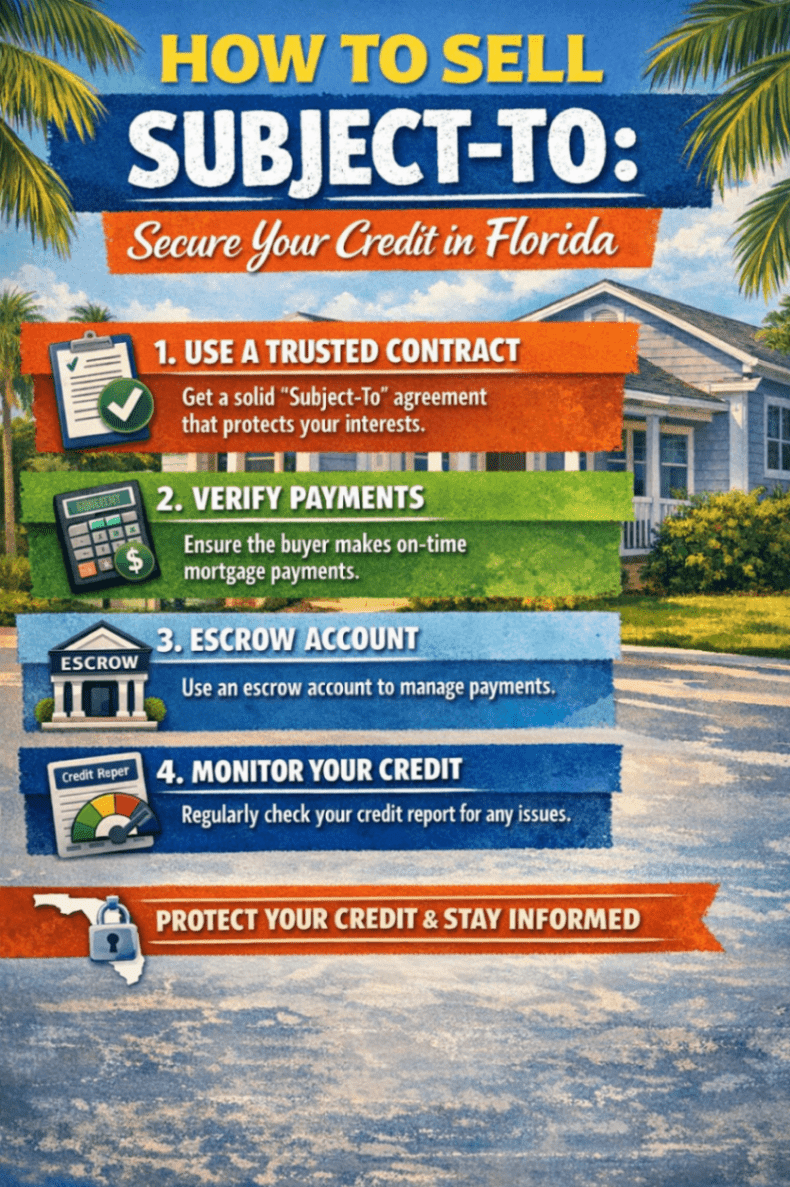
Working With Terms Subject To Home Buyers Like EPS Houses LLC
Another powerful alternative is working with professional home buyers like EPS Houses LLC. As experienced real estate investors, we specialize in helping homeowners in difficult situations. We buy houses in Florida and can offer solutions that a traditional sale process can’t. If you want to sell your house fast, we can take over your mortgage payments.
Working with a subject to home buyer simplifies the sale process. You don’t have to worry about listing your home, making repairs, or waiting months for lender approval on a short sale. We can often buy your house “as-is,” meaning you don’t need to fix a thing. This provides a quick and certain exit from a stressful financial situation.
We also explore creative financing solutions like owner financing or lease options, where no bank is needed. These methods can be tailored to your unique circumstances, providing a path forward when traditional options fail. For many, this is the easiest way to resolve an underwater mortgage and make sound financial decisions for the future.
Tips for a Smooth and Easy Underwater Sale
Navigating an underwater sale can be stressful, but with the right preparation, you can make the process smoother. The key is to be organized, realistic, and proactive. Whether you pursue a short sale with a real estate agent or sell directly to an investor, having your affairs in order will prevent delays and complications.
From managing your expectations to gathering the necessary documents, taking a few preparatory steps can put you in control of your financial situation and help you avoid the foreclosure process. Here are some tips to help you stay ahead.
How to Set Expectations and Stay Ahead of Issues
For home sellers in this situation, managing expectations is crucial. Understand that a short sale is a long process that can take several months. There will be a lot of back-and-forth communication with your lender, and there’s no guarantee they will approve the first offer. Be prepared for a reduced price and to walk away with no profit.
Stay in close contact with your real estate agent or the buyer. Good communication can prevent misunderstandings and keep the process moving. Ask questions and stay informed about where you are in the process. Being proactive can help you address potential issues before they become major roadblocks.
Ultimately, patience and a realistic outlook are your best assets. Making these difficult financial decisions is tough, but setting clear expectations from the start will help you navigate the ups and downs of the real estate market and achieve the best possible outcome for your situation.
Documents and Records to Prepare for the Process
One of an essential steps you should take is to gather all your financial documents. When you request a short sale, your lender will want a complete picture of your financial hardship. Being prepared with these documents will speed up the process and show the lender you are serious and organized.
Your agent or a housing counselor can give you a specific list, but it will almost certainly include proof of income, a list of your assets, and details of your monthly expenses. The goal is to create a complete package that proves you cannot afford your mortgage.
Key documents you’ll likely need include:
- Your hardship letter explaining your situation
- Recent bank statements (usually the last 2-3 months)
- Recent pay stubs or proof of income (or lack thereof)
- Your most recent tax returns
- A financial worksheet detailing your income and expenses
Having these items ready will help you and your agent move quickly once you decide to start the process.
Conclusion
Navigating the complexities of selling a house worth less than your mortgage can be daunting, but you don’t have to face it alone. Understanding your options—from short sales to negotiating with lenders—can empower you to make informed decisions that ease the financial burden. Remember, it’s essential to set realistic expectations and prepare the necessary documents for a smooth sale. Whether you choose to explore alternatives like renting or seek help from home buying companies like EPS Houses LLC, taking proactive steps will ensure you find the best path forward. If you have any questions or need assistance, get in touch with us today!
Frequently Asked Questions
Will I need to bring money to closing if my home is underwater?
In a short sale, the sale proceeds typically cover most closing costs. However, if the proceeds aren’t enough, or if your lender doesn’t agree to pay them, you might be asked to contribute. This is often a point of negotiation in the real estate transaction.
Can I negotiate with my lender before selling my house for less than the mortgage?
Absolutely. Negotiation with your mortgage lender is the foundation of a short sale. You must get their approval to sell for less than the loan balance. You can also negotiate other options, like a loan modification, to avoid selling altogether. Open communication is key.
What happens if my short sale doesn’t get lender approval?
If your lender doesn’t approve the short sale offer, the sale cannot proceed. You can try to renegotiate with the buyer for a higher sale price or explore other options like a deed in lieu of foreclosure. Without a solution, you may face a growing risk of the foreclosure process.