Key Highlights
- Yes, you can sell a house in Florida even if it has a lien or judgment against it.
- The most common method is to use the proceeds from the home sale to pay off the debt at closing.
- A title company plays a crucial role by identifying liens and ensuring they are paid to provide a clear title to the buyer.
- Florida law outlines specific procedures for different types of claims, such as a judgment lien on real estate.
- Resolving these issues is necessary for a traditional sale, as buyers and lenders require a clear property title.
- You have options, including paying the debt, negotiating a settlement, or working with a cash home buyer.
Introduction
Discovering a property lien on your home can feel like a major roadblock, especially when you’re ready to sell. It’s a stressful situation, but take a deep breath—it’s more common than you might think and is usually solvable. Florida law provides clear pathways for handling these issues, meaning a lien doesn’t have to stop your real estate sale. This guide will walk you through what liens are, how they affect your property, and the steps you can take to successfully sell your home.
Understanding Liens and Judgments on Florida Homes
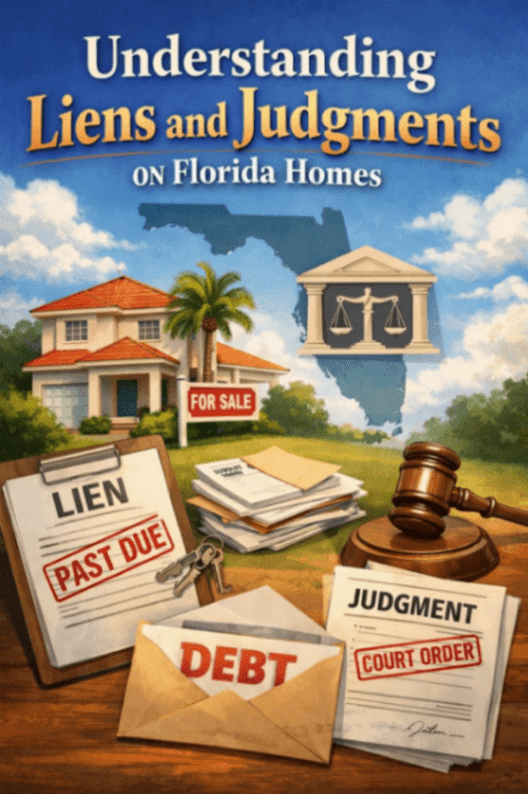
A property lien is a legal claim a creditor places on your property as security for an unpaid debt. This claim essentially attaches the debt to your real estate, making it difficult to sell or refinance until the obligation is met.
There are various types of liens, and a judgment lien is one of the most common involuntary ones. This specific type of lien is granted by a court after a creditor wins a lawsuit against you. Understanding the type of lien you’re facing is the first step, as Florida law has different rules for each. Now, let’s explore some of the most frequent liens that homeowners encounter.
Common Types of Liens Affecting Property Sales
Property liens can be categorized as either voluntary or involuntary. A voluntary lien, like a mortgage, is one you agree to when you borrow money. An involuntary lien is placed on your property without your direct consent, usually as a result of unpaid obligations. Knowing which kind affects your real estate transactions is crucial for finding a solution.
Some of the most common liens property owners face include:
- Mortgage Liens: The most common lien, which is created when you finance a home purchase.
- Tax Liens: Filed by the government for unpaid property taxes (back taxes) or federal income taxes.
- Construction Lien: Also known as a mechanic’s lien, this is placed by a contractor who wasn’t paid for work done on your home.
- Judgment Liens: Resulting from a court judgment where a creditor is owed money.
The first step to resolve a lien before selling your house in Florida is to identify its type. From there, you can choose to pay the debt in full, negotiate a lower payoff amount with the creditor, or, if you believe the lien is invalid, dispute it with the help of an attorney.
How Judgment Liens Are Filed Against Real Estate
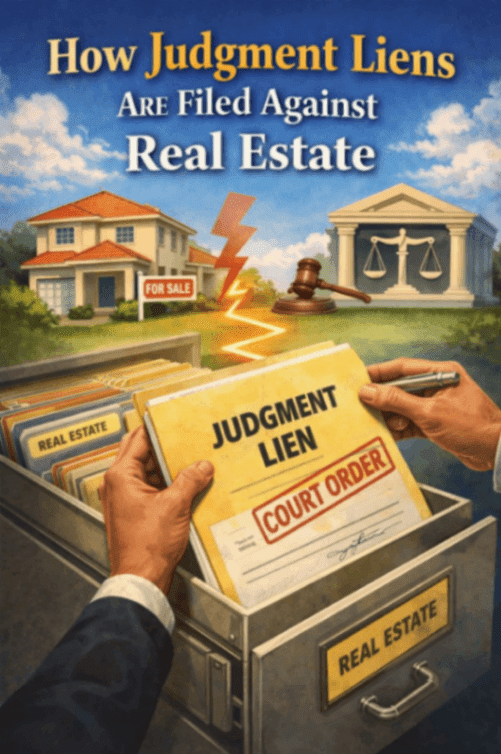
When a creditor wins a lawsuit against you for a sum of money, they become a judgment creditor. To collect the debt, they can file a judgment lien against your property. This process makes the debt a public record and officially attaches it to your real estate.
The process for a creditor to file a judgment lien is straightforward and involves a few key steps. This ensures that their claim is legally recorded and will appear on any future title searches for the property.
| Step | Action by Creditor |
|---|---|
| 1. Obtain Judgment | The creditor gets a certified copy of the money judgment from the court clerk. |
| 2. Record Judgment | The creditor takes the certified judgment to the county clerk’s office in the county where the judgment debtor owns property. |
| 3. Public Record | The judgment is recorded, officially creating a lien that attaches to the debtor’s real estate in that county. |
A judgment lien significantly affects the closing process. When you try to sell, a title search will uncover the lien, and it must be paid off before the title can be transferred cleanly to the new buyer.
Legal Rights and Challenges When Selling a House With Liens
Facing a legal claim on your property presents unique challenges. A judgment creditor has a legal right to be paid, and the lien is their tool to ensure they collect. This can complicate your ability to sell, as the lien must be addressed before the transaction can be finalized.
However, sellers also have rights. The Florida Constitution offers some protection for a primary residence, known as the homestead exemption, which can shield it from forced sale by certain creditors. Navigating these legal waters can be complex, and it’s often wise to consult a real estate attorney to understand your specific situation. Let’s look closer at the legality and potential risks of selling a home with a lien.
Can You Legally Sell Your Florida Home With a Lien or Judgment?
Yes, you can absolutely and legally sell your house in Florida even if there is a lien or judgment against it. There is no law preventing you from listing your property and accepting an offer. The critical part is not whether you can sell, but how you complete the sale.
For a traditional real estate transaction to close, the buyer must receive a clear title. This means all liens and judgments must be satisfied, or paid off. A title company will not insure a property with an active lien, and a lender will not finance it. The lien essentially acts as a barrier to completing the sale.
The most common solution is to use the proceeds from the sale to pay the debt at closing. The title company will handle the payment directly with the creditor, ensuring the judgment lien is removed. If your sale price doesn’t cover the debt on your Florida real estate, you may need to bring your own funds to closing or negotiate a smaller settlement with the creditor beforehand, possibly with help from a real estate attorney.
Risks and Considerations for Sellers Facing Property Liens
Attempting to sell a home with an unresolved lien introduces significant risks for the property owner. If the lien is not resolved before you try to sell your Florida home, the most immediate consequence is that the sale will probably be canceled. This is because traditional buyers and their lenders will back out once a title search reveals the issue.
Beyond a failed sale, you could face other serious problems. Here are some of the key risks to consider:
- Title Issues: An unresolved lien creates a “cloud” on your title, making it impossible to transfer ownership cleanly.
- Foreclosure Proceedings: Depending on the type of lien, the creditor could initiate foreclosure proceedings to force a sale of the property to collect their debt.
- Reduced Sale Proceeds: The amount of the lien will be deducted from your earnings, which might leave you with less money than you expected or even owing money at closing.
- Market Challenges: A property with known lien issues may deter potential buyers in the competitive real estate market, leading to a longer time on market and lower offers.
Preparing to Sell a Home With Liens or Judgments in Florida
Preparation is your best strategy when selling a home with a property lien. Before you even list your home, you need to know exactly what you’re dealing with. The first and most important step is to get a complete picture of all claims against your property.
This is achieved by conducting a professional title search. A title company can perform this for you, delivering a report that details every recorded lien affecting your Florida real estate. This document is essential for understanding what needs to be resolved to achieve a clear title and move forward with your sale. The next sections will cover how to gather the necessary documents and interpret your title report.
Gathering Documentation Related to Liens and Judgments
To clear a lien before listing your Florida house for sale, you need to collect all relevant documents. Having the right paperwork is essential for understanding the debt and communicating effectively with creditors and the title company. Start by obtaining a copy of the lien itself from the public records where it was filed.
Next, you should assemble a file containing all related information. The documents you need to clear a lien often include:
- A copy of the recorded lien, such as a judgment lien certificate.
- A payoff letter or written statement from the creditor detailing the exact amount owed.
- Any correspondence you’ve had with the creditor.
- Proof of any payments you have already made toward the debt.
For liens on personal property, the judgment lien certificate is filed with the Florida Department of State. For real estate, it’s in county records. Having these documents ready will streamline all future real estate transactions and negotiations.
Reviewing Title Reports and Assessing the Status of Liens
Once you receive your title report from the title search, it’s time to review it carefully. This document is your official record of all encumbrances tied to your property, from mortgages to property taxes and judgment liens. Don’t hesitate to review it with your real estate agent, who can help you understand the findings.
Pay close attention to every item listed. It’s possible for a title report to contain errors, such as a lien that was already paid off but never officially released, or a lien that belongs to a previous owner with a similar name. If you find a discrepancy, you may need to visit the county clerk’s office to pull records that prove the lien is invalid or has been satisfied.
Assessing the status of each lien is a critical step before selling your house. This review will inform your plan of action, whether it’s paying the debt, negotiating a settlement, or disputing an incorrect claim. This proactive approach helps you take control of the situation and clear the path for a successful sale.
Resolving Liens Before Listing Your Florida Property
After identifying all liens on your property, the next stage is resolution. According to Florida law, you have several options for clearing these encumbrances to prepare for the sale of the property. The ultimate goal is to remove the lien from your property’s title.
To do this, you must obtain a “release of lien” from the creditor. This is a formal document proving the debt has been fully satisfied. You can manage this process yourself, rely on the title company to handle it at closing, or engage a real estate attorney for more complicated cases. The following sections will explain exactly how to achieve this.
Steps to Satisfy or Release a Lien Prior to Sale
One of the most direct steps to resolve a lien before selling your house in Florida is to pay the debt. Once the creditor is paid, they are legally obligated to issue a document that releases their claim on your property. This process clears your title and allows your sale to proceed without issue.
Follow these key steps to satisfy a lien and get it released:
- Get a Payoff Amount: Contact the judgment creditor or lienholder to request a formal payoff letter. This states the exact amount required to satisfy the debt.
- Pay the Debt: You can pay this amount directly before the sale. Alternatively, you can arrange for the title company to pay it from your sale proceeds at closing.
- Obtain a Release of Lien: After payment, the creditor must provide a signed release document.
- Record the Release: This document must be filed with the same county office where the lien was originally recorded to officially remove it from your property’s record.
Recording the release is a crucial final step. Without it, the lien could still appear on future title searches, potentially causing delays and preventing you from avoiding foreclosure proceedings related to the debt.
Negotiating Settlements With Creditors or Judgment Holders
Yes, you can absolutely negotiate with creditors to settle liens for less before selling your house in Florida. A judgment creditor may be willing to accept a smaller, lump-sum payment rather than waiting indefinitely or pursuing a costly and uncertain collection process. A guaranteed financial settlement now is often better than a potential full payment later.
As the judgment debtor, you or your real estate attorney can contact the creditor to open negotiations. Proposing a settlement amount you can afford to pay, either out-of-pocket or from your expected sale proceeds, is a practical approach. Having a clear offer and being ready to pay quickly can make your proposal more attractive.
If the creditor agrees to a settlement, you must get the agreement in a written statement. This document should confirm the settlement amount and the creditor’s promise to issue a release of lien upon payment. Once you pay the agreed-upon sum, ensure you receive and record the release to officially clear the lien from your title.
The Role of Title Companies During the Home Sale Process
In any real estate transaction, a title company acts as a neutral third party with a very important job: to verify and protect the property’s title. Their main responsibility is to ensure the seller has the legal right to sell the property and that the buyer will receive a clear title, free of unexpected claims.
They accomplish this by conducting a detailed title search to uncover any liens, judgments, or other issues. If problems are found, the title company works with the seller to resolve them before closing. Often, the cost of paying off a lien is managed through the closing process, with funds from the sale being used to pay creditors directly.
How Title Agents Assist With Lien and Judgment Resolution
Yes, title companies in Florida play a hands-on role in lien and judgment resolution during a home sale. Once a title agent conducts a title search and discovers a property lien, they will immediately inform you and your real estate agent about the issue preventing a clear title.
From there, the title agent will act as a facilitator. They will contact the lienholder to obtain an official payoff statement for the judgment lien. At closing, the agent ensures that the agreed-upon amount is deducted from your sale proceeds and sent directly to the creditor. This guarantees the debt is paid as part of the transaction.
By managing these crucial steps, the title agent ensures that the lien is properly satisfied and that a release is recorded. This service is fundamental to their role, as it protects the new buyer and their lender from any lingering claims and allows the sale to be completed successfully.
Ensuring Clear Title for the Buyer at Closing
The final goal of any home sale is to transfer a clear title to the buyer. A judgment lien directly affects the closing process because it creates a “cloud” on the title that must be removed. Without a clear title, a buyer cannot truly own the property free and clear.
At the closing, the settlement agent from the title company orchestrates the final steps. They will use your sale proceeds to pay off the lienholder directly, listing this payment alongside other closing costs on the final settlement statement. This ensures the debt is officially paid before the property changes hands.
Once the lien is satisfied, the title company can issue a title insurance policy for the new owner. This insurance protects the buyer from any past title issues, including the lien you just paid off. It provides peace of mind and finalizes the real estate transaction, guaranteeing the buyer’s ownership is secure.
Special Cases: Heirs and Inherited Properties With Liens
Inheriting a property can be a mixed blessing. While you gain a valuable asset, you might also inherit its financial baggage. If the previous owner had outstanding debts, liens for things like a judgment lien or unpaid property taxes may be attached to the inherited property itself. Under Florida law, while the heirs are not personally liable for the debt, the property is, and the lien must be resolved.
This means that before the heirs can sell the home or secure a new loan against it, these outstanding claims must be satisfied. Often, the only way to do this is by using funds from the estate or, more commonly, from the proceeds of the property’s sale. This can be a complex and unexpected challenge for beneficiaries, who may be navigating the sale of a property for the first time while also grieving a loss.
Selling a Florida Home After Inheriting Unpaid Liens or Judgments
There are definitely special considerations for heirs selling a Florida home with unpaid judgment liens. The most important thing to understand is that the judgment lien is attached to the real property, not to you personally. The debt must be paid out of the deceased’s estate, which includes the house itself.
The process of selling an inherited property with a lien is similar to a standard sale. The title company will identify the lien, and the debt will be paid from the home’s sale proceeds at closing. However, the sale must be handled by the executor of the estate, and the process might require oversight or approval from a probate court, which can add time and complexity.
Florida statute provides specific rules for how creditor claims are handled within an estate. Because of these legal intricacies, it is strongly recommended that heirs dealing with an inherited property with liens consult with an experienced estate or real estate attorney. They can help navigate the probate process and ensure all legal requirements are met for a smooth sale.
Conclusion
Selling a house with liens or judgments in Florida can seem daunting, but with the right approach and knowledge, it is entirely possible. Understanding your legal rights, preparing adequately, and collaborating with professionals can make a significant difference in navigating this process. Remember, resolving these issues before listing your property not only helps in achieving a smoother sale but also attracts potential buyers by offering them peace of mind. Don’t hesitate to seek assistance—getting in touch with a knowledgeable team can provide you with the support needed to overcome any challenges. With the right guidance, you can successfully sell your home and move forward with confidence. Contact us for more information.
Frequently Asked Questions
What happens if I don’t resolve a lien before selling my house in Florida?
If you don’t resolve a property lien or judgment lien, your real estate sale will almost certainly fail. The title company cannot issue a clear title to the buyer, which means a lender won’t finance the purchase. The lien will remain attached to your property until the debt is paid.
How long does it take to remove a judgment lien from my property?
The time it takes to remove a judgment lien varies. If you pay the debt, the process of getting a release from the creditor and filing it with the county clerk can take a few days to a few weeks. If negotiations or legal disputes are involved, it can take much longer.
Are buyers interested in purchasing a home with outstanding liens in Florida?
Traditional buyers in the real estate market typically are not, as they require a clear title for financing. However, cash buyers and real estate investors are often experienced in handling title issues and may be willing to purchase a property with a property lien, resolving it as part of the sale.